
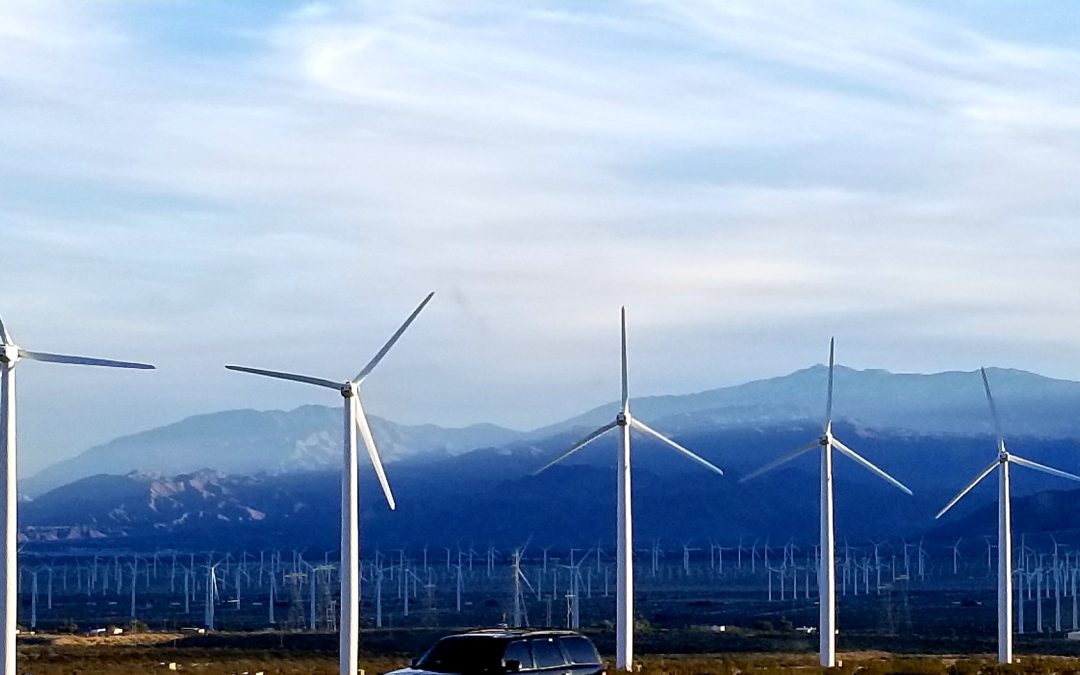
As the world continues to transition towards renewable energy sources, wind farms have become a prominent player in the global energy landscape. However, the intermittent nature of wind power generation poses challenges in maintaining a consistent and reliable energy supply. To address this issue, integrating Battery Energy Storage Systems (BESS) with wind farms has emerged as a promising solution. In this article, we will explore how BESS can enhance the financial margins of wind farms by maximizing energy utilization, improving grid stability, and enabling ancillary services.
Wind energy generation is subject to natural variations in wind speeds, leading to fluctuations in power output. By coupling a BESS with a wind farm, surplus electricity generated during periods of high wind can be stored and discharged during periods of low wind activity. This enables energy smoothing, optimizing the utilization of wind power and reducing curtailment. A study by the National Renewable Energy Laboratory (NREL) estimates that combining wind power with energy storage can increase annual energy production by 10% to 40%.
Wind farm operators face grid stability challenges due to the intermittent nature of wind power generation. By integrating a BESS, wind farms can provide grid stabilization services, including frequency regulation. During periods of grid instability or sudden changes in demand, the BESS can inject or absorb power rapidly to maintain grid frequency within the required limits. This enhances the reliability and efficiency of the overall power system. According to a study by the Lawrence Berkeley National Laboratory, battery storage systems can reduce the variability of wind farm output and enhance grid stability.
BESS integrated with wind farms can participate in demand response programs and provide peak shaving capabilities. During peak demand periods, the stored energy in the BESS can be discharged to the grid, reducing the reliance on expensive peak power plants and minimizing electricity costs. Additionally, wind farm operators can capitalize on price arbitrage opportunities by charging the battery during periods of low electricity demand and discharging it during high-demand periods when electricity prices are higher. This can lead to significant financial benefits for wind farm operators.
Integrating a BESS with wind farms opens up opportunities to provide ancillary services to the grid operators. These services include voltage support, reactive power control, and black start capabilities. By offering these ancillary services, wind farm operators can access additional revenue streams beyond the sale of electricity. According to a report by Wood Mackenzie, revenue from providing ancillary services can account for up to 20% of the total revenue for a wind farm with a BESS.
The integration of Battery Energy Storage Systems (BESS) with wind farms brings numerous benefits that enhance the financial margins of these renewable energy projects. By optimizing energy utilization, smoothing output fluctuations, providing grid stabilization services, and participating in demand response programs, wind farm operators can maximize their revenue potential and improve the overall economics of their projects. As the costs of energy storage technologies continue to decline, the combination of wind farms and BESS holds tremendous potential to drive the transition towards a cleaner and more reliable energy future.