
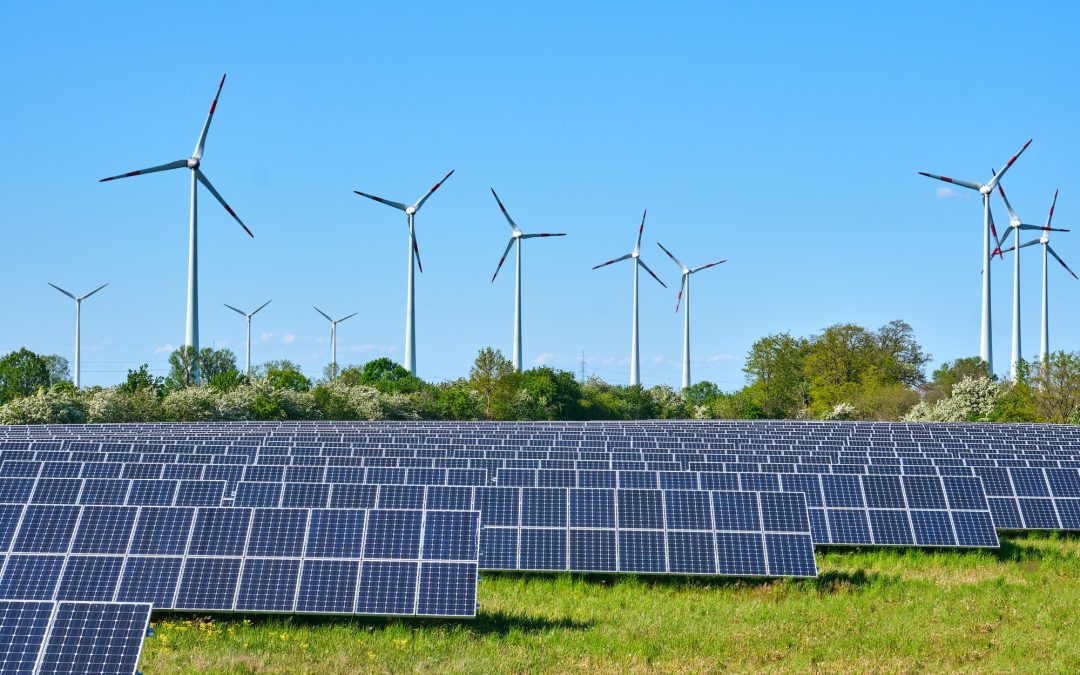
Vietnam’s solar power market has been growing rapidly in recent years. According to Bloomberg NEF, the country has enough installed capacity to become the third-largest solar energy market globally. However, investors in renewable energy projects in Vietnam still face numerous challenges. One of the main challenges is the lack of strict controls and impactful investment in transmission infrastructure. This contributes to incomplete capacity of solar electricity. Vietnam’s solar power market has experienced remarkable growth over the past decade, positioning the country as a significant player in renewable energy. With its abundant sunshine and increasing energy demands, Vietnam has embraced solar power as a key solution to diversify its energy mix and reduce its reliance on fossil fuels. However, despite this promising trajectory, the market faces several challenges that hinder its full potential. In this article, we will explore the current obstacles that Vietnam’s solar power sector encounters and the efforts being made to overcome them.
One of the primary challenges faced by the solar power market in Vietnam lies in its regulatory framework. While the government has made considerable efforts to promote renewable energy, there is a need for greater clarity and consistency in policies and regulations. Frequent policy changes and delays in implementing decrees have caused uncertainties for investors, leading to a cautious approach and slowing down project development.
According to the Ministry of Industry and Trade, Vietnam had a total installed solar capacity of approximately 16,500 megawatts (MW) by the end of 2021. However, the regulatory challenges have resulted in a slowdown in new project installations in recent years.
Access to financing is a critical factor in the success of solar power projects. Vietnam’s solar market still requires substantial investments in infrastructure and technology, which can be a daunting task without adequate financial support. While banks and financial institutions are gradually showing interest in renewable energy projects, there is still a need for streamlined financing mechanisms and increased participation from the private sector to attract substantial investments.
In 2020, Vietnam’s solar power sector attracted approximately $2.8 billion in investments, as reported by the Ministry of Planning and Investment. However, further investments are required to accelerate the growth of the sector and meet the country’s renewable energy targets.
The integration of solar power into the existing grid infrastructure poses significant challenges. The intermittent nature of solar energy production requires a robust grid system capable of handling fluctuations in supply and demand. The development of a smart grid infrastructure, energy storage solutions, and grid interconnection upgrades are vital to ensure the efficient integration of solar power into the national electricity grid.
As of 2021, Vietnam had a total electricity transmission grid length of around 23,000 kilometers. Upgrading and expanding the transmission and distribution infrastructure to accommodate the growing solar power capacity remains a priority for the country.
Securing suitable land for solar power projects is a challenge in Vietnam due to limited availability and conflicting land-use interests. Identifying suitable locations that offer high solar irradiation, accessibility to transmission lines, and minimal environmental impact requires careful planning and coordination between various stakeholders. Streamlining the land acquisition process and providing clearer guidelines for site selection would help overcome this challenge.
According to the Ministry of Natural Resources and Environment, as of 2021, Vietnam had allocated approximately 9,300 hectares of land for solar power projects. However, ensuring efficient land allocation and addressing land-use conflicts remain crucial for future project developments.
The development and maintenance of solar power projects require a skilled workforce with expertise in areas such as engineering, construction, and operation. Vietnam’s solar power market faces a shortage of qualified professionals who can design, install, and maintain solar energy systems effectively. Addressing this skills gap through training programs and educational initiatives would enhance the industry’s capacity and foster sustainable growth.